
Speeding Ticket Defense: Radar and Laser Gun Accuracy Challenges and Calibration Requirements
Aug. 28, 2026
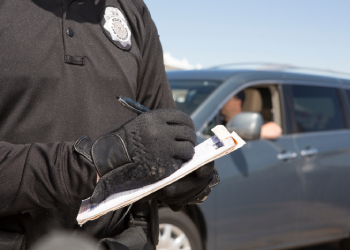 Seeing flashing red and blue lights in your rearview mirror instantly sinks your heart. You face heavy fines, points on your license, and rising insurance premiums. A brief lapse in attention shouldn't derail your finances or threaten your driving privileges. It’s incredibly frustrating to feel like the legal system is stacked against you when a speed-measuring device flags your vehicle.
The attorney at William L. Pomeroy Law is ready to protect drivers from questionable citations. Attorney William L. Pomeroy builds a strong speeding ticket defense by scrutinizing the tools officers use to clock your speed. Based in Brentwood, Tennessee, the firm serves clients across Davidson County, Williamson County, and Rutherford County. Contact their firm today to review the details of your traffic stop and start fighting back.
The Science Behind Police Speed Guns
Most people assume that an officer’s radar or laser gun provides flawless evidence. However, these devices are delicate machines that require precise conditions to work properly. When a machine produces an error, a solid speeding ticket defense can expose those flaws.
Radar works by bouncing radio waves off your car and measuring the frequency change as the waves return. This change, known as the Doppler effect, calculates how fast a vehicle is moving. Laser devices, also known as LIDAR, use focused light pulses to calculate speed based on the time it takes the light to reflect back to the gun.
Both technologies rely on clear line-of-sight and steady handling. If the equipment falters or the environment interferes, the reading becomes highly questionable. A radar beam widens as it travels, which easily leads to confusion on a multi-lane highway. Recognizing these scientific limitations empowers you to stand up against unfair accusations.
Common Accuracy Challenges in Speed Measurement
Even top-tier law enforcement equipment is susceptible to outside interference. Several variables easily corrupt the data these devices capture on the road. Identifying these weaknesses is a cornerstone of any effective speeding ticket defense. Many environmental elements distort radar and laser readings without the officer ever noticing.
Weather conditions: Heavy rain, snow, or fog heavily distorts laser beams and scatters radar waves.
Reflective surfaces: Road signs, guardrails, and even other vehicles create false readings by bouncing the signal improperly.
Radio frequency interference: High-voltage power lines and police radios sometimes disrupt radar equipment.
Mechanical interference: Your vehicle's own heater fan or alternator can occasionally create a false radar reading.
When these interferences occur, the device registers wildly inaccurate speeds. Highlighting these specific conditions casts serious doubt on the prosecution’s evidence. You don't have to accept a flawed reading as the truth. Challenging the environmental conditions at the time of your stop is a highly effective legal strategy.
Strict Calibration Requirements for Traffic Devices
Police departments must follow rigid maintenance schedules for their speed-measuring tools. If they fail to calibrate a device, the resulting speed reading is legally vulnerable. An experienced lawyer knows exactly how to demand and review these maintenance logs. These records often reveal a pattern of negligence within the department.
Radar guns typically require daily testing using specialized tuning forks. The officer strikes the tuning fork to create a specific frequency, which the radar must read accurately. If the officer forgets this step or uses a damaged tuning fork, the entire traffic stop becomes suspect. The law demands strict adherence to these testing protocols.
LIDAR units also require daily distance and alignment checks to function correctly. A thorough speeding ticket defense forces the police to prove they followed every single maintenance protocol. Without that proof, the court often throws the ticket out entirely. The prosecution holds the burden of proving the equipment functioned flawlessly.
How Operator Error Influences Your Citation
Even a perfectly calibrated machine fails if the person holding it makes a mistake. Police officers are human, and they sometimes rush their procedures during a busy shift. Pinpointing these human errors provides another critical angle for your speeding ticket defense.
Sweeping errors: If an officer moves a LIDAR gun across the side of your car, it artificially inflates the speed reading.
Target identification: In heavy traffic, a radar gun's wide beam easily picks up a larger truck instead of your smaller sedan.
Lack of training: Some officers lack the up-to-date certification required to operate specific models of laser or radar guns.
The cosine effect: If the officer does not position their vehicle at the correct angle to the road, the speed calculation skews incorrectly.
Any of these mistakes render the speed reading completely unreliable. Cross-examining the officer's methods often reveals shortcuts or poor training that invalidate the citation. The law requires precise operation, and anything less opens the door for a dismissal. Questioning the officer's actions is a standard and necessary part of fighting your case.
Finding Peace With a Strong Speeding Ticket Defense
Dealing with a traffic citation is stressful. You don't have to face the courtroom alone or accept the harsh penalties of a wrongful ticket. There are valid ways to challenge the state's narrative. Reclaiming your peace of mind starts with fighting the flawed evidence.
Attorney Pomeroy knows how to dissect radar and laser evidence to protect your driving record. He reviews calibration logs, weather reports, and officer training records to build a compelling case on your behalf. The firm's dedication helps keep points off your license and your insurance rates low.
You should have an advocate who understands the science and the law behind traffic citations. Based in Brentwood, Tennessee, the firm serves clients in Davidson County, Williamson County, and Rutherford County. Contact William L. Pomeroy Law today to start building your speeding ticket defense.