
Can Police Search Your Vehicle Without a Warrant in Tennessee?
Sept. 28, 2026
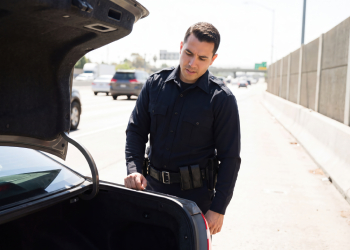 If police searched your car during a traffic stop and found evidence that is now being used against you, the absence of a warrant may immediately stand out. In Tennessee, police may search a vehicle without a warrant only when a recognized exception to the warrant requirement applies. A traffic stop alone does not automatically give officers authority to search your vehicle.
That distinction can matter when drugs, a weapon, or other evidence found in a car leads to criminal charges. William L. Pomeroy Law represents people facing criminal charges in Brentwood and throughout Davidson County, Williamson County, and Rutherford County, and can examine what happened during a vehicle search and whether officers had a lawful basis to conduct it.
When Can Police Search a Vehicle Without a Warrant?
Police can conduct a warrantless vehicle search in several legally recognized circumstances. One of the most important is the automobile exception, which can apply when officers have probable cause to believe a vehicle contains contraband or evidence of a crime.
Other exceptions may apply when a person voluntarily consents to a search or when a limited vehicle search is legally permitted in connection with an arrest. Because each exception has its own requirements, whether a search was lawful depends on why officers conducted the search and what they knew at the time.
Probable Cause and the Automobile Exception
Probable cause means that officers have facts and circumstances that support a reasonable belief that contraband or evidence of a crime will be found in the vehicle. A hunch alone is not enough.
When probable cause exists, Tennessee recognizes the automobile exception to the warrant requirement. As the Tennessee Supreme Court has explained, officers with probable cause to believe an automobile contains contraband may search it immediately without first obtaining a warrant.
Probable cause also affects how far the search may extend. Officers may generally search areas or containers where the object for which they have probable cause to search could reasonably be located. For someone charged after a vehicle search, the critical issue may therefore be what officers knew before they began searching, not simply what they eventually found.
Can a Drug Detection Dog Establish Probable Cause?
A drug-detection dog's alert can contribute to probable cause in Tennessee, but it does not automatically establish probable cause in every case. That distinction became particularly important after Tennessee legalized hemp because drug-detection dogs may be unable to distinguish legal hemp from illegal marijuana.
In State v. Andre JuJuan Lee Green, the Tennessee Supreme Court rejected a per se rule that a positive canine alert alone automatically establishes probable cause. Instead, courts must consider the totality of the circumstances.
The Court also rejected the opposite conclusion: that the legalization of hemp renders a canine alert irrelevant. A trained dog's alert can still contribute to probable cause when considered alongside other facts known to the officer.
In practical terms, a court may need to look beyond the dog's reaction and examine the surrounding circumstances. If drugs, a firearm, or other evidence discovered during the search becomes the basis for a prosecution, a criminal defense review can examine the facts officers relied on before conducting the search.
What if You Said Yes to the Search?
Voluntary consent is another recognized exception to the warrant requirement. If you validly consent to a vehicle search, police generally do not need a warrant or independent probable cause to search within the scope of that consent.
The details of the interaction can therefore matter. What exactly did the officer ask? What did you say or do in response? Did you place any limits on your permission?
If the prosecution relies on consent to justify a search, the issue is not simply whether an officer says permission was given. The circumstances surrounding that consent may need to be examined to determine whether it was voluntary and what it actually authorized officers to search.
Does an Arrest Allow Police to Search the Car?
Not automatically. Arresting someone does not give police unrestricted authority to search an entire vehicle.
A search incident to arrest may permit officers to search the passenger compartment in limited circumstances, including when an arrested person is unsecured and within reaching distance of the vehicle or when officers reasonably believe the vehicle contains evidence related to the offense of arrest.
A different warrant exception may independently permit a broader search. That is why the legal basis officers relied upon matters when evaluating a search conducted during an arrest.
A Traffic Stop and a Vehicle Search Are Different Legal Issues
Having a lawful reason to stop a vehicle does not necessarily give an officer a lawful reason to search it. The justification for the stop and the justification for the search must be considered separately. A traffic violation, for example, may justify pulling a driver over.
What happens afterward can raise a separate Fourth Amendment question if officers ask to search the vehicle, develop probable cause, use a drug-detection dog, or make an arrest. When evidence discovered in the vehicle becomes central to a criminal charge, the sequence of events can show when officers developed the claimed legal basis for the search.
Can Evidence from an Unlawful Search Be Suppressed?
Potentially. A defendant can ask a court to suppress evidence obtained through an unlawful search or seizure.
Tennessee Rule of Criminal Procedure 41 addresses search-and-seizure procedures and provides grounds for seeking suppression of illegally obtained evidence. A warrantless search is not automatically unlawful, however.
The prosecution may argue that probable cause, consent, a search incident to arrest, or another exception justified what police did. The court must apply the relevant legal rule to the facts of the encounter. If the challenged evidence is important to the prosecution's case, whether it can be used may significantly affect how that case proceeds.
Challenge the Search, Not Just the Evidence
Before becoming a criminal defense attorney, William L. Pomeroy served in the U.S. Army as a member of the Military Police. He later established his private practice in his hometown of Brentwood, Tennessee, where he represents people facing criminal charges and traffic violations.
When a prosecution depends on evidence discovered in a vehicle, he can review how the stop developed, what officers relied on before searching, and whether there are grounds to challenge the search or seek suppression of the evidence. The firm also prioritizes keeping clients informed about developments in their cases and explaining their options.
William L. Pomeroy Law represents clients facing criminal charges in Davidson County, Williamson County, and Rutherford County. If evidence from a warrantless vehicle search is being used against you, the firm's Brentwood criminal defense practice can evaluate the circumstances surrounding the search and how they may affect the case.
Contact the firm to schedule a free consultation and discuss what happened during the stop and vehicle search.